Save Engine Works

Add your voice to this fight for art, community, and the future of the Mission

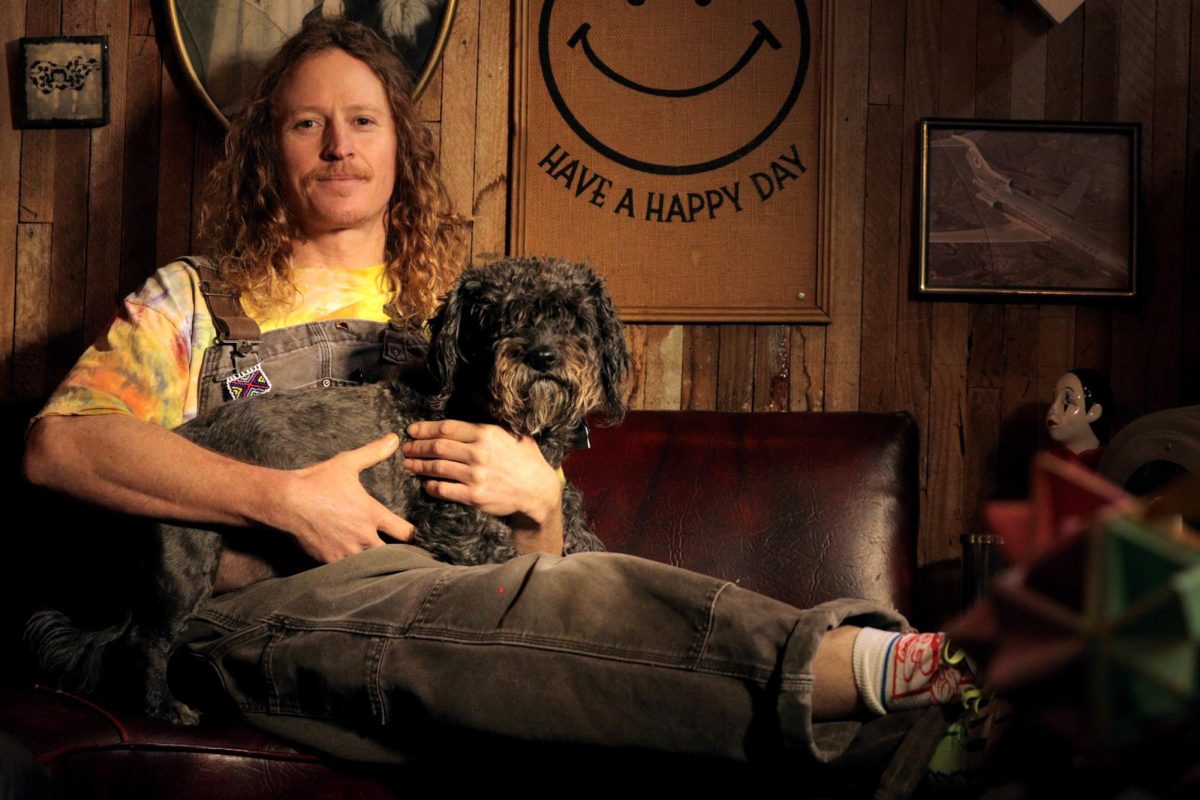
Picture of Sean and his sweet canine companion, Billie, enjoying their home.

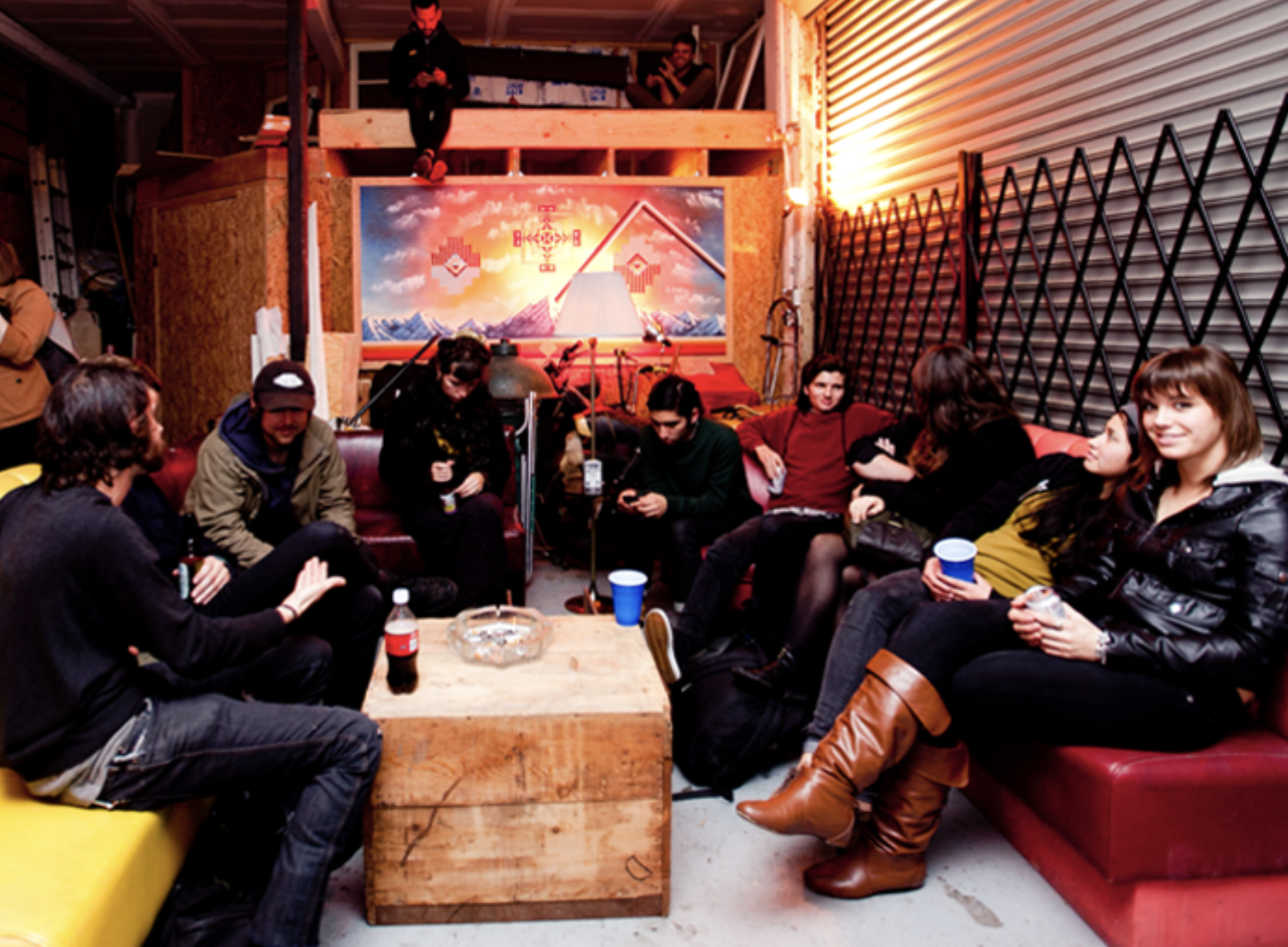
Engine Works is a functional member of San Francisco’s history and culture that make this city attractive.

Run by Sean Newport, a sanctuary and creative hub in San Francisco's Mission District, EW has long been a cornerstone of our vibrant artistic community.

For over 16 years, it has nurtured the visions of countless artists, fostering creativity and supporting the cultural fabric of this city.

Learn about the colorful history of this space
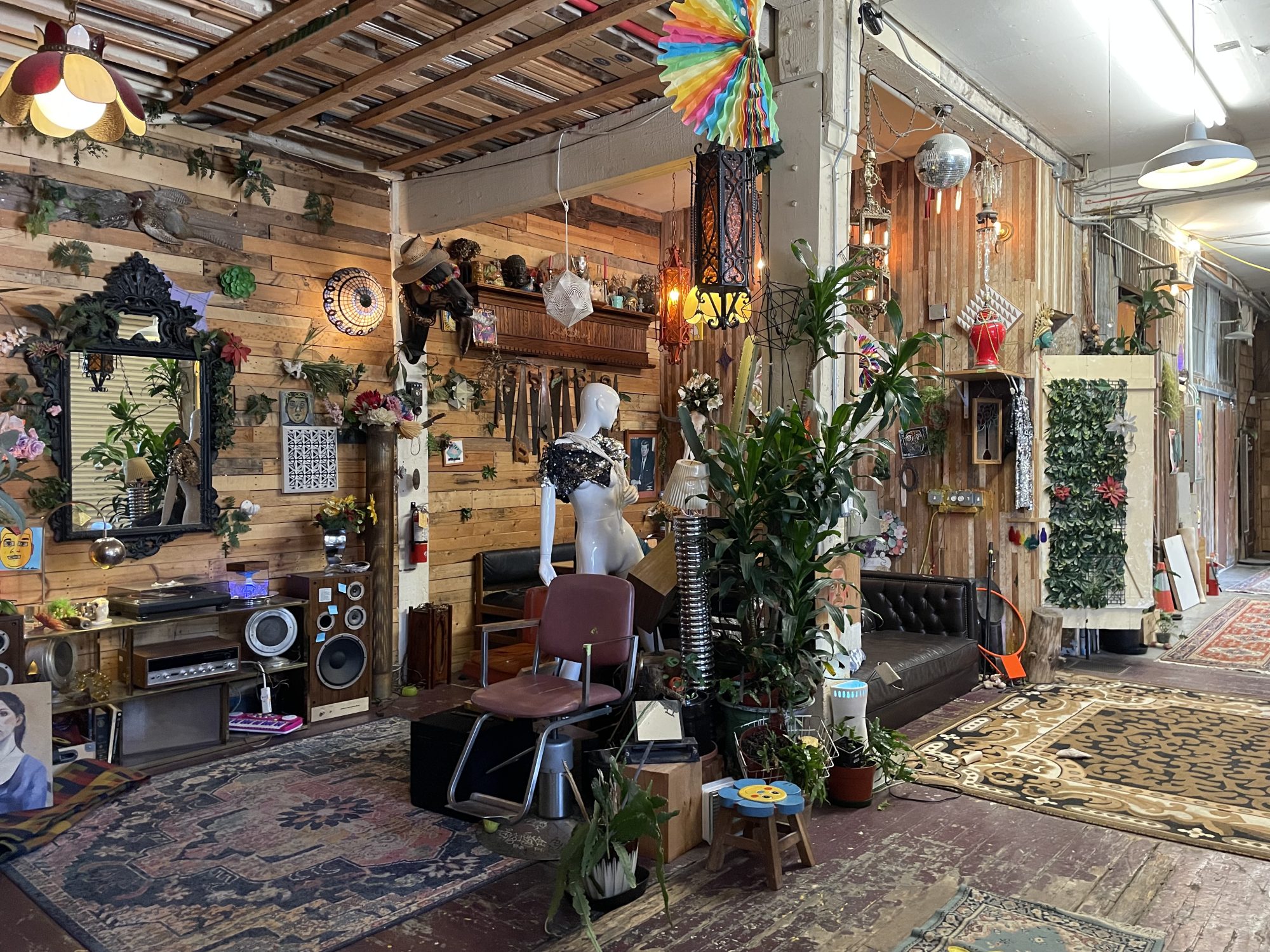
Photo of rows of books in a library with marble busts.

What’s Happening?

Newport is being evicted via the Ellis Act, a 9-step eviction process that was established in 1986. The San Francisco Tenants Union defines the Ellis Act as, “a state law which says that landlords have the unconditional right to evict tenants to ‘go out of business.’” 


A ruthless process that threatens not only the artists who call it home but the very essence of the Mission’s creative spirit.
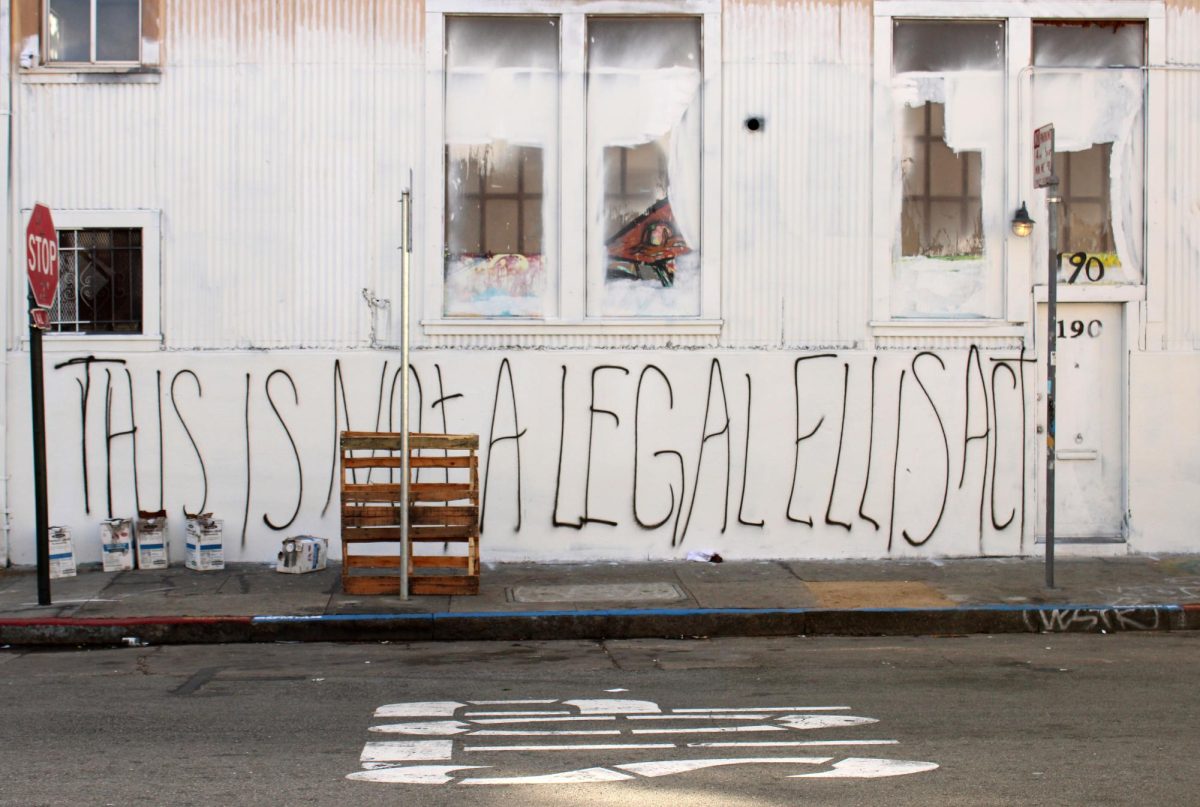
Photo of rows of books in a library with marble busts.

How did we get here?

Previous Landlord short sold the building.

For years, the former landlord stalled repairs by repeatedly pulling permits and then doing nothing with them. Rent checks were still cashed month after month, but required reinvestment into the building never happened—even when the city formally mandated the work. During COVID, the landlord imposed an illegal rent increase while the property continued to deteriorate.


After years of delay, the neglect caught up with him. The building was placed on a city delinquency list, and with mounting fines and repair obligations looming, the landlord chose an exit. Rather than bring the property into compliance, he sold it.


In January 2024, the building was transferred to Kent Putnam, a generationally wealthy car dealership owner (Putnam Motors), under the entity 3250 17th St LLC. The sale allowed the former landlord to walk away from the required repairs and penalties he had avoided for years.


The tenants were never informed that the building had been sold.
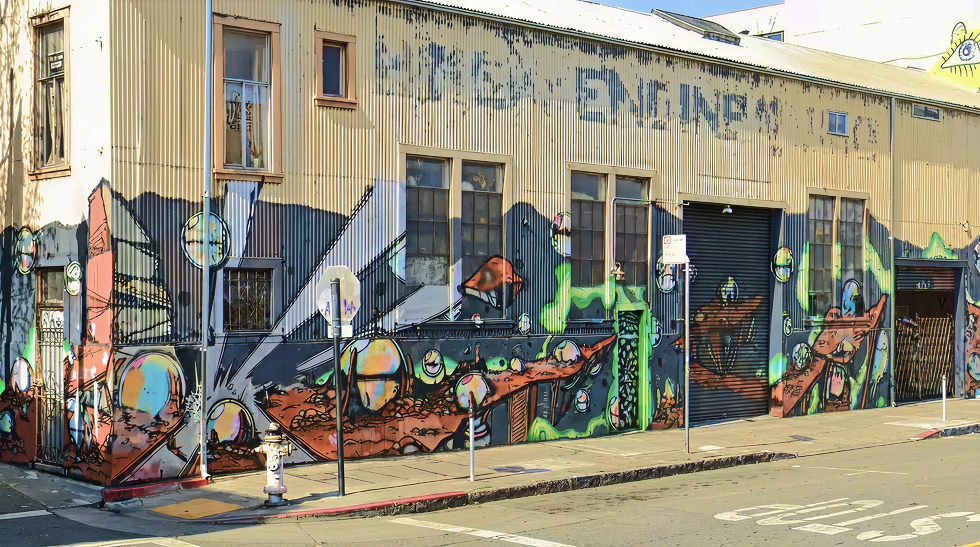
engine works mural

A former mural that has been since painted over

New owner, Kent Putnam, enters the chat.

Kent Putnam looked Sean in the eye, shook his hand, and told him plainly that he believed in the fight to keep Engine Works a home for artists. He said he would not buy the building. At the same time, the community rallied—more than 500 Mission District business owners signed a petition demanding that Putnam not displace the artists who lived and worked there.


Despite those assurances and the public pressure, Putnam went through with the purchase anyway. Not long after, a three-day eviction notice appeared, even though every tenant was still paying rent and attempting to stay in good standing.


In response, Sean painted the words ARTISTS LIVE HERE across the building—a public act of protest and a declaration of presence. The building was enrolled in the city’s “Opt In” program, and without warning or notice, the city painted over the windows and hinges. When Sean told Kent he intended to repaint the message, Putnam denied having any knowledge of why the building had been altered at all.


Sean had painted murals on the building for years with the explicit permission of the previous landlord. No new lease was ever signed stating that painting was prohibited. Still, Kent responded not with dialogue, but with a lawsuit, claiming “damages.”


At the same time, Kent’s secretary sent an email reminding Sean to pay rent. Rent checks continued to be sent for five months. None were cashed. Repeated attempts to communicate went unanswered.
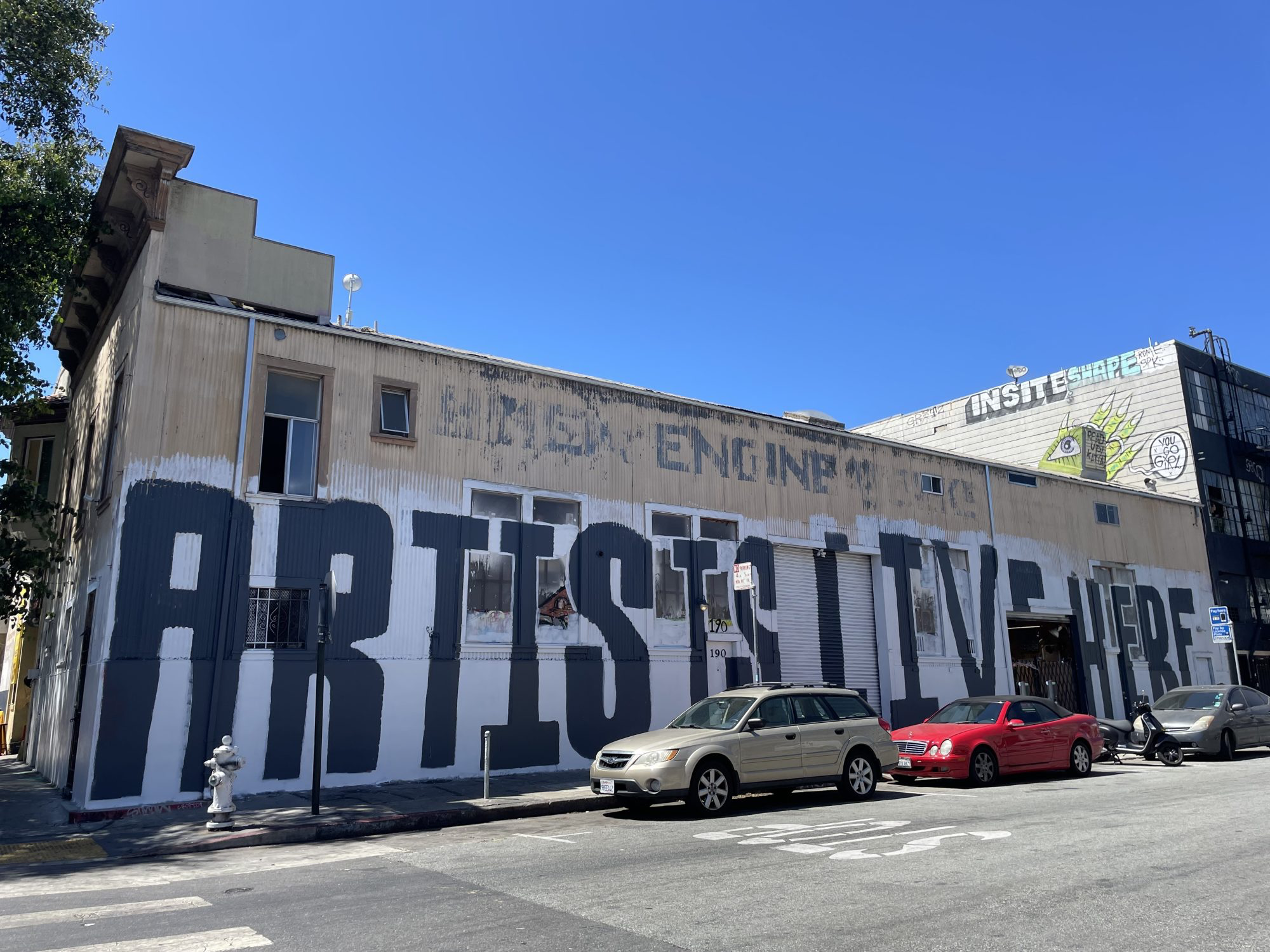
engineworks-artistslivehere

Exposing Bhakti Yoga

In early 2024, shortly after the building changed hands, Bhakti Yoga—a San Francisco Hari Krishna ashram—moved into the upstairs space, displacing at least ten artists who lived and worked there.


Their leader, Ananta Chaitanya Das, quickly made clear that their ambitions extended further into the already occupied home and established creative workspace beneath them. Ananta was the first to tour the warehouse, walking through it with the realtor as though it already belonged to him. There was no acknowledgment that this was someone’s home or a functioning business. During the walkthrough, construction plans were discussed openly, as if consent were already assumed.


Artists are being forced from their homes so a cult can expand the self aggrandizing clubhouse, fully aware that the loss of the space would devastate Sean’s livelihood.


This is framing of growth for a “spiritual center” is nothing more than white supremacy, colonization, and spiritual narcissism, using the language of faith to justify harm. Real spiritual spaces are defined by what they give—care, humility, and refuge. Instead of supporting an existing community, it’s extracting from one.

When an organization claiming spiritual purpose takes housing and stability from artists without consent or accountability, it stops functioning as a spiritual center—it becomes a extractive self-worshiping business obscured by presumed devotion and discipline to a higher power.

This prolonged process has taken a serious toll on Sean’s wellbeing.

The ongoing battle with the landlord has resulted in lost income, the loss of roommates, and a steady erosion of the vitality that once sustained both his home and his work.
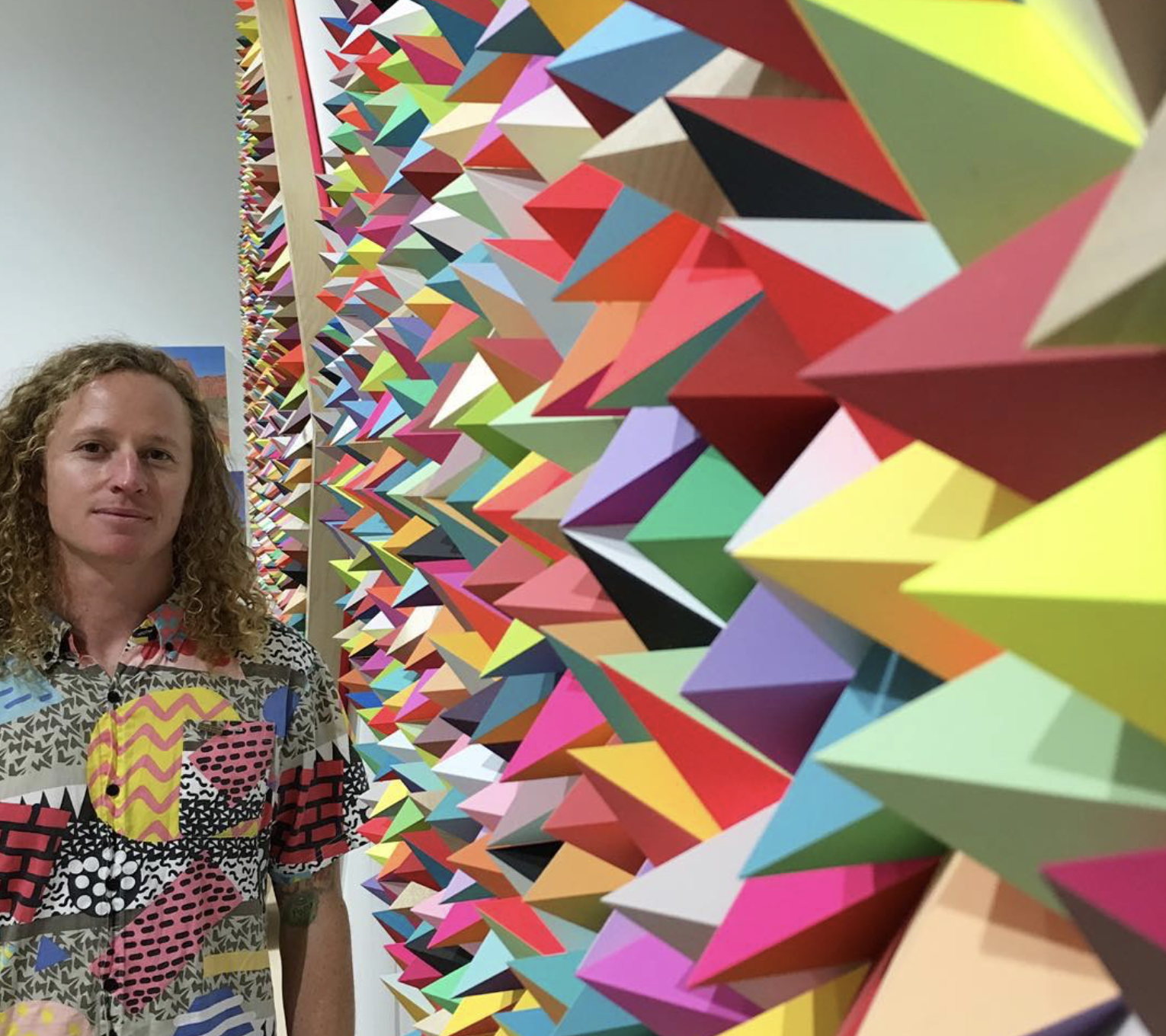
A close up of one of Sean’s unique pieces

Sean has not been able to work with a gallery for over a year due to diminished capacity caused by the stress and instability of the situation. At the same time, attorneys willing to take on the case have been few and far between, and despite repeated efforts, there has been no meaningful action from the city.

Sean’s work showcased in the Scope Art Show at Gauntlet Gallery

quotation

I’m currently exploring avenues for saving this warehouse.

I’m looking for a way to legitimize why I’m here and bring attention to dying spaces like what we’ve been able to make and sustain through thick and thin. My goal is to a way to incentivize art spaces with the city that ditches the get rich quick formula that is available in San Francisco.

Please reach out if you can help

or

Donate to my cause

Photo of rows of books in a library with marble busts.

The Loss of artist spaces is a growing problem.

Artists make cities cool. People move in, property value goes up, owners raise the rent and price out the artists that made the place valuable until a cool place turns into beige millennial slop.

What incentives do artists have to live in or move to SF?

One of Sean Newport’s art pieces in San Francisco, Calif. on Nov 4, 2024 

Artists & art spaces deserve protection.

Spaces like this must be formally recognized and protected through legislation. Artists are often the first to move into neglected areas with little infrastructure, investing their labor, creativity, and time to make neighborhoods livable and culturally vibrant.

Once those communities become desirable, investors capitalize on that transformation—bringing in new businesses while the artists who helped build the neighborhood are displaced and excluded from the very communities they created.

What is this city gonna do when all the artists are gone?

This real estate strategy needs to stop.

We need to get this city to end the practice of allowing predatory absentee investors displacing local residents. Prioritize people over profit, protect tenants, and redirect development toward the spaces that already sit empty.

Our cities belong to the people who live in them.

Join Me In Starting A Coalition To Protect The Arts

seannewport-art
engineworks-logo

Engine Works

Join me in my fight to protect art spaces and save my home.

190 Capp Street

San Francisco, CA 94110

Instagram

Facebook

EngineWorks

© 2025 All Rights Reserved

Save Engine Works

Add your voice to this fight for art, community, and the future of the Mission

Picture of Sean and his sweet canine companion, Billie, enjoying their home.

Engine Works is a functional member of San Francisco’s history and culture that make this city attractive.

Run by Sean Newport, a sanctuary and creative hub in San Francisco's Mission District, EW has long been a cornerstone of our vibrant artistic community.

For over 16 years, it has nurtured the visions of countless artists, fostering creativity and supporting the cultural fabric of this city.

Learn about the colorful history of this space

Photo of rows of books in a library with marble busts.

What’s Happening?

Newport is being evicted via the Ellis Act, a 9-step eviction process that was established in 1986. The San Francisco Tenants Union defines the Ellis Act as, “a state law which says that landlords have the unconditional right to evict tenants to ‘go out of business.’” 


A ruthless process that threatens not only the artists who call it home but the very essence of the Mission’s creative spirit.

Photo of rows of books in a library with marble busts.

How did we get here?

Previous Landlord short sold the building after years of getting the run around.

For years, the former landlord stalled repairs by repeatedly pulling permits and then doing nothing with them. Rent checks were still cashed month after month, but required reinvestment into the building never happened—even when the city formally mandated the work. During COVID, the landlord imposed an illegal rent increase while the property continued to deteriorate.


After years of delay, the neglect caught up with him. The building was placed on a city delinquency list, and with mounting fines and repair obligations looming, the landlord chose an exit. Rather than bring the property into compliance, he sold it.


In January 2024, the building was transferred to Kent Putnam, a generationally wealthy car dealership owner (Putnam Motors), under the entity 3250 17th St LLC. The sale allowed the former landlord to walk away from the required repairs and penalties he had avoided for years.


The tenants were never informed that the building had been sold.

engine works mural

A former mural that has been since painted over

New owner, Kent Putnam, enters the chat.

Kent Putnam looked Sean in the eye, shook his hand, and told him plainly that he believed in the fight to keep Engine Works a home for artists. He said he would not buy the building. At the same time, the community rallied—more than 500 Mission District business owners signed a petition demanding that Putnam not displace the artists who lived and worked there.


Despite those assurances and the public pressure, Putnam went through with the purchase anyway. Not long after, a three-day eviction notice appeared, even though every tenant was still paying rent and attempting to stay in good standing.


In response, Sean painted the words ARTISTS LIVE HERE across the building—a public act of protest and a declaration of presence. The building was enrolled in the city’s “Opt In” program, and without warning or notice, the city painted over the windows and hinges. When Sean told Kent he intended to repaint the message, Putnam denied having any knowledge of why the building had been altered at all.


Sean had painted murals on the building for years with the explicit permission of the previous landlord. No new lease was ever signed stating that painting was prohibited. Still, Kent responded not with dialogue, but with a lawsuit, claiming “damages.”


At the same time, Kent’s secretary sent an email reminding Sean to pay rent. Rent checks continued to be sent for five months. None were cashed. Repeated attempts to communicate went unanswered.

engineworks-artistslivehere

Exposing Bhakti Yoga

In early 2024, shortly after the building changed hands, Bhakti Yoga—a San Francisco Hari Krishna ashram—moved into the upstairs space, displacing at least ten artists who lived and worked there.


Their leader, Ananta Chaitanya Das, quickly made clear that their ambitions extended further into the already occupied home and established creative workspace beneath them. Ananta was the first to tour the warehouse, walking through it with the realtor as though it already belonged to him. There was no acknowledgment that this was someone’s home or a functioning business. During the walkthrough, construction plans were discussed openly, as if consent were already assumed.


Artists are being forced from their homes so a cult can expand the self aggrandizing clubhouse, fully aware that the loss of the space would devastate Sean’s livelihood.


This is framing of growth for a “spiritual center” is nothing more than white supremacy, colonization, and spiritual narcissism, using the language of faith to justify harm. Real spiritual spaces are defined by what they give—care, humility, and refuge. Instead of supporting an existing community, it’s extracting from one.

When an organization claiming spiritual purpose takes housing and stability from artists without consent or accountability, it stops functioning as a spiritual center—it becomes a extractive self-worshiping business obscured by presumed devotion and discipline to a higher power.

This prolonged process has taken a serious toll on Sean’s wellbeing.

The ongoing battle with the landlord has resulted in lost income, the loss of roommates, and a steady erosion of the vitality that once sustained both his home and his work.

A close up of one of Sean’s unique pieces

Sean has not been able to work with a gallery for over a year due to diminished capacity caused by the stress and instability of the situation. At the same time, attorneys willing to take on the case have been few and far between, and despite repeated efforts, there has been no meaningful action from the city.

Sean’s work showcased in the Scope Art Show at Gauntlet Gallery

quotation

I’m currently exploring avenues for saving this warehouse.

I’m looking for a way to legitimize why I’m here and bring attention to dying spaces like what we’ve been able to make and sustain through thick and thin. My goal is to a way to incentivize art spaces with the city that ditches the get rich quick formula that is available in San Francisco.
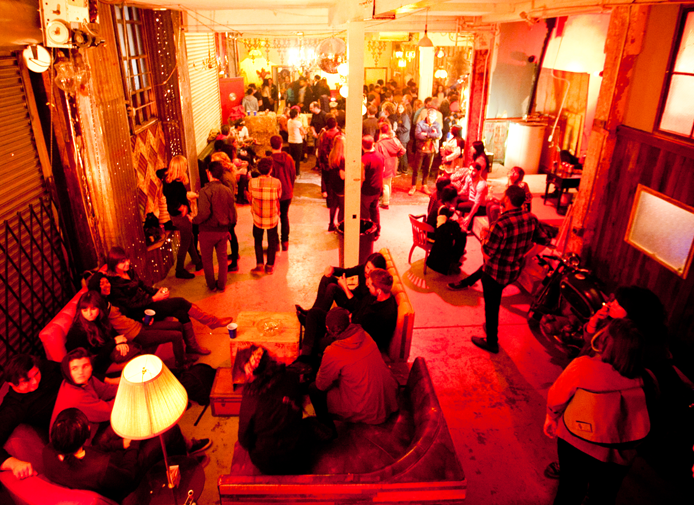
Please reach out if you can help

or

Donate to my cause

Photo of rows of books in a library with marble busts.

The Loss of artist spaces is a growing problem.

Artists make cities cool. People move in, property value goes up, owners raise the rent and price out the artists that made the place valuable until a cool place turns into beige millennial slop.

What incentives do artists have to live in or move to SF?

One of Sean Newport’s art pieces in San Francisco, Calif. on Nov 4, 2024 

Artists & art spaces deserve protection.

Spaces like this must be formally recognized and protected through legislation. Artists are often the first to move into neglected areas with little infrastructure, investing their labor, creativity, and time to make neighborhoods livable and culturally vibrant.

Once those communities become desirable, investors capitalize on that transformation—bringing in new businesses while the artists who helped build the neighborhood are displaced and excluded from the very communities they created.

Photo of a study hall with wooden tables and chairs.

What is this city gonna do when all the artists are gone?

This real estate strategy needs to stop.

We need to get this city to end the practice of allowing predatory absentee investors displacing local residents. Prioritize people over profit, protect tenants, and redirect development toward the spaces that already sit empty.

Our cities belong to the people who live in them.

Join Me In Starting A Coalition To Protect The Arts

seannewport-art
engineworks-logo

Engine Works

Join me in my fight to protect art spaces and save my home.

190 Capp Street

San Francisco, CA 94110

EngineWorks

© 2025 All Rights Reserved

Save Engine Works

Add your voice to this fight for art, community, and the future of the Mission

Picture of Sean and his sweet canine companion, Billie, enjoying their home.

Engine Works is a functional member of San Francisco’s history and culture that make this city attractive.

Run by Sean Newport, a sanctuary and creative hub in San Francisco's Mission District, EW has long been a cornerstone of our vibrant artistic community.

For over 16 years, it has nurtured the visions of countless artists, fostering creativity and supporting the cultural fabric of this city.

Learn about the colorful history of this space

Photo of rows of books in a library with marble busts.

What’s Happening?

Newport is being evicted via the Ellis Act, a 9-step eviction process that was established in 1986. The San Francisco Tenants Union defines the Ellis Act as, “a state law which says that landlords have the unconditional right to evict tenants to ‘go out of business.’” 


This ruthless process threatens not only the artists who call it home but the very essence of the Mission’s creative spirit.

Photo of rows of books in a library with marble busts.

How did we get here?

Previous Landlord short sold the building after years of getting the run around.

For years, the former landlord stalled repairs by repeatedly pulling permits and then doing nothing with them. Rent checks were still cashed month after month, but required reinvestment into the building never happened—even when the city formally mandated the work. During COVID, the landlord imposed an illegal rent increase while the property continued to deteriorate.


After years of delay, the neglect caught up with him. The building was placed on a city delinquency list, and with mounting fines and repair obligations looming, the landlord chose an exit. Rather than bring the property into compliance, he sold it.


In January 2024, the building was transferred to Kent Putnam, a generationally wealthy car dealership owner (Putnam Motors), under the entity 3250 17th St LLC. The sale allowed the former landlord to walk away from the required repairs and penalties he had avoided for years.


The tenants were never informed that the building had been sold.

engine works mural

A former mural that has been since painted over

New owner, Kent Putnam, enters the chat.

Kent Putnam looked Sean in the eye, shook his hand, and told him plainly that he believed in the fight to keep Engine Works a home for artists. He said he would not buy the building. At the same time, the community rallied—more than 500 Mission District business owners signed a petition demanding that Putnam not displace the artists who lived and worked there.


Despite those assurances and the public pressure, Putnam went through with the purchase anyway. Not long after, a three-day eviction notice appeared, even though every tenant was still paying rent and attempting to stay in good standing.


In response, Sean painted the words ARTISTS LIVE HERE across the building—a public act of protest and a declaration of presence. The building was enrolled in the city’s “Opt In” program, and without warning or notice, the city painted over the windows and hinges. When Sean told Kent he intended to repaint the message, Putnam denied having any knowledge of why the building had been altered at all.


Sean had painted murals on the building for years with the explicit permission of the previous landlord. No new lease was ever signed stating that painting was prohibited. Still, Kent responded not with dialogue, but with a lawsuit, claiming “damages.”


At the same time, Kent’s secretary sent an email reminding Sean to pay rent. Rent checks continued to be sent for five months. None were cashed. Repeated attempts to communicate went unanswered.

engineworks-artistslivehere

Exposing Bhakti Yoga

In early 2024, shortly after the building changed hands, Bhakti Yoga—a San Francisco Hari Krishna ashram—moved into the upstairs space, displacing at least ten artists who lived and worked there.


Their leader, Ananta Chaitanya Das, quickly made clear that their ambitions extended further into the already occupied home and established creative workspace beneath them. Ananta was the first to tour the warehouse, walking through it with the realtor as though it already belonged to him. There was no acknowledgment that this was someone’s home or a functioning business. During the walkthrough, construction plans were discussed openly, as if consent were already assumed.


Artists are being forced from their homes so a cult can expand the self aggrandizing clubhouse, fully aware that the loss of the space would devastate Sean’s livelihood.


This is framing of growth for a “spiritual center” is nothing more than white supremacy, colonization, and spiritual narcissism, using the language of faith to justify harm. Real spiritual spaces are defined by what they give—care, humility, and refuge. Instead of supporting an existing community, it’s extracting from one.

When an organization claiming spiritual purpose takes housing and stability from artists without consent or accountability, it stops functioning as a spiritual center—it becomes a extractive self-worshiping business obscured by presumed devotion and discipline to a higher power.

This prolonged process has taken a serious toll on Sean’s wellbeing.

The ongoing battle with the landlord has resulted in lost income, the loss of roommates, and a steady erosion of the vitality that once sustained both his home and his work.

A close up of one of Sean’s unique pieces

Sean has not been able to work with a gallery for over a year due to diminished capacity caused by the stress and instability of the situation. At the same time, attorneys willing to take on the case have been few and far between, and despite repeated efforts, there has been no meaningful action from the city.

Sean’s work showcased in the Scope Art Show at Gauntlet Gallery

quotation

I’m currently exploring avenues for saving this warehouse.

I’m looking for a way to legitimize why I’m here and bring attention to dying spaces like what we’ve been able to make and sustain through thick and thin. My goal is to a way to incentivize art spaces with the city that ditches the get rich quick formula that is available in San Francisco.

Please reach out if you can help

or

Donate to my cause

Photo of rows of books in a library with marble busts.

The Loss of artist spaces is a growing problem.

Artists make cities cool. People move in, property value goes up, owners raise the rent and price out the artists that made the place valuable until a cool place turns into beige millennial slop.

What incentives do artists have to live in or move to SF?

One of Sean Newport’s art pieces in San Francisco, Calif. on Nov 4, 2024 

Artists & art spaces deserve protection.

Spaces like this must be formally recognized and protected through legislation. Artists are often the first to move into neglected areas with little infrastructure, investing their labor, creativity, and time to make neighborhoods livable and culturally vibrant.

Once those communities become desirable, investors capitalize on that transformation—bringing in new businesses while the artists who helped build the neighborhood are displaced and excluded from the very communities they created.

Photo of a study hall with wooden tables and chairs.

What is this city gonna do when all the artists are gone?

This real estate strategy needs to stop.

We need to get this city to end the practice of allowing predatory absentee investors displacing local residents. Prioritize people over profit, protect tenants, and redirect development toward the spaces that already sit empty.

Our cities belong to the people who live in them.

Join Me In Starting A Coalition To Protect The Arts

seannewport-art